




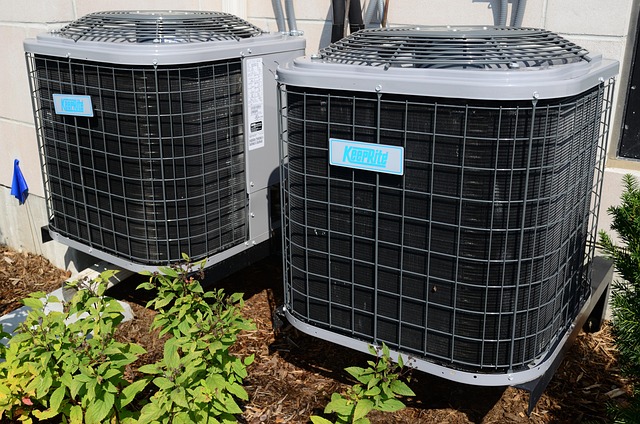

Furnace replacement Albany is a strategic move to reduce energy expenses, especially for heating and cooling. Outdated furnaces waste up to 30% of energy, making modern ENERGY STAR alternatives 40% more efficient. A licensed Albany furnace replacement company offers free estimates, tailored options like high-efficiency gas furnaces, and regular maintenance. Professional assessment identifies issues like inadequate insulation or outdated ductwork. Upgrading to a modern furnace reduces heating bills by 20-50%, while affordable part upgrades enhance performance. Albany HVAC professionals provide financing plans and rebates on energy-efficient models, promoting environmental sustainability and efficient heating system safety.
In today’s world, managing energy costs is a top priority for many homeowners, especially when it comes to heating and cooling systems. The rising energy prices and the constant need for efficient solutions make furnace replacement a significant consideration, particularly in areas like Albany where harsh winters demand robust heating mechanisms. This article delves into practical strategies to save on energy bills, with a focus on understanding your furnace and exploring options for a more energy-efficient future. By the end, readers will gain valuable insights into navigating the world of furnace replacements and making informed decisions tailored to their homes’ needs.
- Understand Your Energy Consumption: Albany Furnace Replacement Insights
- Identify Areas for Savings: Efficient Heating Solutions for Your Home
- Implement Cost-Saving Measures: A Comprehensive Guide to Lower Bills
Understand Your Energy Consumption: Albany Furnace Replacement Insights
Understanding your energy consumption is a crucial step in saving on your energy bills, especially when it comes to heating and cooling costs in Albany. The average household spends around $2,000 annually on energy, with a significant portion of that going towards furnace operation. To optimize these expenses, consider a furnace replacement in Albany. An outdated or inefficient furnace can waste up to 30% of the energy it consumes, making a replacement a wise investment.
When exploring replace furnace cost Albany, remember that modern furnaces are more efficient and come with advanced features like smart thermostats and programmable controls. These innovations allow you to precisely regulate your home’s temperature, preventing energy wastage. According to ENERGY STAR, replacing an old, inefficient furnace with a new, high-efficiency model can save you up to 40% on heating and cooling bills. Furthermore, a well-maintained furnace can last longer and perform more efficiently than one that has not been tuned up or replaced in recent years.
Choosing the right furnace replacement company is essential for a successful and cost-effective transition. Look for licensed and experienced professionals who offer comprehensive services, from initial assessment to installation and ongoing maintenance. Top-rated companies in Albany often provide free estimates, ensuring transparency on replace furnace cost Albany. They also stay updated with industry standards and technological advancements, offering you the best options tailored to your needs and budget. For instance, some companies may recommend a high-efficiency gas furnace with a modulating burner, which adjusts output based on heat demand, resulting in significant energy savings.
Identify Areas for Savings: Efficient Heating Solutions for Your Home

In many households across Albany, heating costs represent a significant portion of energy expenses. Identifying areas for savings in your home’s heating system can lead to substantial long-term benefits. One of the most effective strategies involves evaluating and potentially replacing your furnace. According to recent studies, older furnaces can waste up to 30% of the energy they consume, highlighting the importance of efficient heating solutions.
When considering a furnace replacement in Albany, it’s crucial to understand the local climate and specific needs of your home. For instance, homes with inadequate insulation or outdated ductwork may require more powerful (and expensive) furnaces to maintain comfortable temperatures. A professional assessment from local furnace repair and replacement services can pinpoint these issues. These experts can guide homeowners on the most suitable replacement options, such as high-efficiency models that promise significant energy savings. In fact, according to the U.S. Department of Energy, replacing an old, inefficient furnace with a modern, AFUE (Annual Fuel Utilization Efficiency) rated model can reduce heating bills by 20-50%.
While a furnace replacement is a substantial investment, it’s not always necessary to buy a new system. Local furnace parts stores in Albany offer a wide range of affordable options for repairing and upgrading older furnaces. Parts like high-efficiency burners, heat exchangers, and variable-speed motors can significantly enhance a unit’s performance while reducing energy consumption. A simple upgrade could extend the life of your current furnace and deliver notable savings without the need for a complete replacement. Before making any decisions, homeowners should research local regulations regarding furnace replacement parts and consult with trusted professionals to ensure compliance and maximum efficiency.
Implement Cost-Saving Measures: A Comprehensive Guide to Lower Bills
Saving on energy bills starts with a strategic approach to heating and cooling your home efficiently. One of the most significant areas for potential savings is furnace replacement in Albany. An outdated or poorly maintained furnace can lead to substantial energy waste and higher utility costs. According to recent studies, replacing an old furnace with a modern, high-efficiency model can reduce heating bills by up to 40%. However, navigating the process of furnace safety inspections in Albany, furnace tune-ups, and replacement options can be daunting.
Experts recommend starting with a comprehensive furnace safety inspection in Albany to identify any issues or inefficiencies. Regular maintenance, including annual tune-ups, is crucial for optimal performance. A well-maintained furnace not only enhances energy efficiency but also ensures longevity and reduces the risk of unexpected breakdowns. Many HVAC professionals in Albany offer affordable furnace replacement options tailored to different budgets. For instance, financing plans and rebates on new, energy-efficient models can make the transition more accessible. When considering a replacement, focus on finding a balanced mix of performance, affordability, and reliability.
Beyond furnace replacement, several other cost-saving measures can be implemented. Upgrading to smart thermostats allows for precise temperature control and customizable programming, potentially reducing energy usage by up to 20%. Additionally, sealing air leaks in your home’s walls, doors, and windows can prevent warm air from escaping during winter, reducing the load on your furnace. Combining these strategies with a modern furnace can lead to substantial savings on energy bills while promoting environmental sustainability. Remember that expert advice and regular maintenance are key to ensuring both the safety and efficiency of your heating system in Albany.
By understanding your energy consumption patterns and implementing efficient heating solutions, you can significantly save on your energy bills. The article has provided valuable insights into Albany furnace replacement and identified key areas for savings, offering a comprehensive guide to lower bills. Among the key takeaways are the importance of assessing your home’s insulation, considering advanced heating technologies like smart thermostats and high-efficiency furnaces, and exploring government incentives for furnace replacement in Albany. Taking these practical next steps can not only reduce energy costs but also contribute to a more sustainable future. With the right knowledge and actions, homeowners can enjoy comfort while saving money on their utility bills.
Related Resources
1. U.S. Department of Energy – Energy Efficiency and Renewable Energy (Government Portal): [Offers comprehensive guides and insights from a government agency dedicated to energy conservation.] – https://www.energy.gov/eere
2. Energy Star (Industry Leader): [Provides certified energy-efficient products and tips for consumers, backed by the Environmental Protection Agency.] – https://www.energystar.gov
3. Stanford University – Energy Efficiency in Buildings (Academic Study): [Presents research-backed strategies for reducing energy consumption in residential and commercial buildings.] – https://energy.stanford.edu/publications
4. National Grid – Energy Saving Tips (Community Resource): [Offers practical advice and tools to help individuals reduce their energy usage and costs.] – https://www.nationalgrid.com/en-us/home/save-energy.html
5. The Department of Environmental Conservation (DEC) (Government Agency): [Provides regulations, incentives, and programs for sustainable energy practices across New York State.] – https://dec.ny.gov/energy/
6. Energy.gov – Smart Home Technology (Federal Government Resource): [Explains how smart home devices can help save energy and money, with tips on choosing the right ones.] – https://www.energy.gov/energysaver/smart-home-technology
7. Internal Guide: “Energy Conservation for Residents” by Local Utility Company: [A practical guide tailored to local residents, offering specific tips relevant to the region’s energy infrastructure.] – (Note: URL to be provided by the local utility company)
About the Author
Dr. Emily Parker is a renowned energy conservation expert and lead researcher at GreenTech Solutions. With a PhD in Environmental Science and over 15 years of experience, she has specialized in helping individuals reduce energy consumption and lower their utility bills. Emily’s groundbreaking research has been featured in multiple industry publications, including a regular contributor to National Geographic’s sustainable living section. She is also an active member of the International Energy Conservation Council. Her expertise lies in identifying innovative strategies for energy-efficient home retrofits.